For the food industry
IFS Food doesn't stop at the production gate. Reception is part of it.
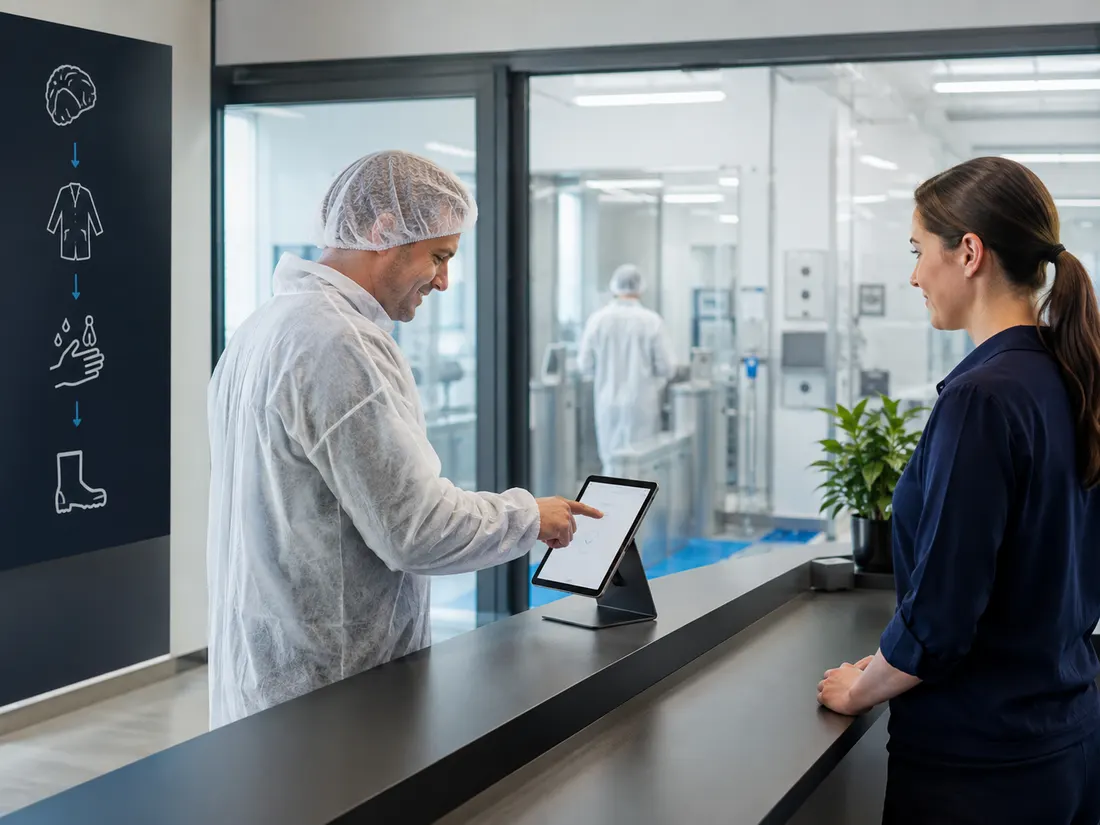
Your customers and the auditor expect you to control and document access — as part of the food-defense plan. And visitors follow the same hygiene rules as your staff. visitvia records the visit, has the rules confirmed and logs both.
IFS Food · BRCGS
What the food audit asks for at reception
The major food standards call for controlled, documented access and hygiene rules that also apply to visitors. At reception this is often the last process still running on paper.
Access controlled and recorded
Food defense
Anyone entering the plant is recorded — as part of the food-defense plan. The auditor checks whether access is controlled and documented, not just whether a rule exists.
Hygiene applies to visitors too
Personal hygiene
Jewellery, protective clothing, health status — visitors follow the same rules as your staff. They must know them and have confirmed them before going in.
Briefing with a signature
Evidence per visit
The hygiene and safety briefing isn't verbal but signed — in exactly the version that applied at the time.
Evidence for a single visit
In the audit
What's asked for is a particular visit on a particular day: recorded, briefed, documented? A binder is a laborious answer then.
This overview is guidance, not an audit result: what counts in your audit is decided by your certifier. visitvia supplies the evidence — judging it is your auditor's job.
You can provide this evidence starting tomorrow.
Your own workspace is ready in minutes — no payment details, no paid contract.
What visitvia proves for it
From the binder to evidence the auditor accepts
What you control at reception and the airlock today, the app records — in a form that holds up in the audit.
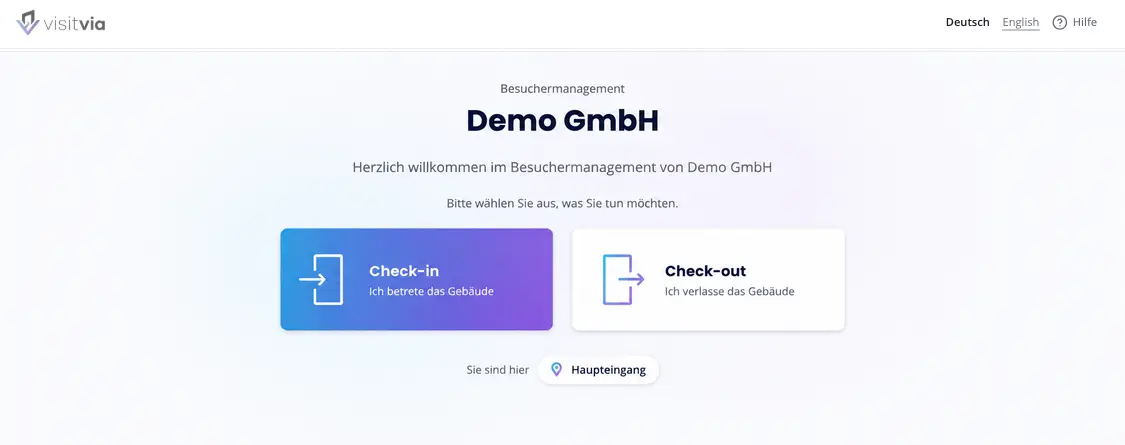
The hygiene and visitor rules are shown at the terminal. No confirmation, no completed check-in — and the log records which version the visitor saw.
The briefing is signed with a finger and becomes a signed PDF, tied firmly to the valid document version. Change the rules, and old signatures stay with their version.
The visitor log shows who was in the plant, when and with which host — searchable by date and time, with arrival and check-out.
No one can change it afterwards: every entry is firmly chained to the previous one. Not your administrators, and not us.
If the auditor asks about a visit from weeks ago, you filter to the day, open the visit and show the signed briefing — faster than the question was asked.
FAQ
What quality and hygiene managers ask first
Is visitvia IFS- or BRC-certified?
No — these standards certify sites and their processes, not a piece of software. You are the one assessed.
visitvia provides the part that concerns reception: recorded access, confirmed hygiene rules and the log. The documents for it are available on request.
Does visitvia replace our hygiene airlock?
No. The physical measures — airlock, protective clothing, hand disinfection — stay yours. visitvia documents that the visitor knew and confirmed the rules before going in. It provides evidence of the briefing; it doesn't replace it.
How visitvia establishes tamper-proofing, tenant separation and retention periods in technical terms is on the Security page — written for your information-security and data-protection officers.
Show it to your QA before the next audit.
Log, hygiene briefing and retention periods to click through — free, no credit-card details.